
By Theresa Curry
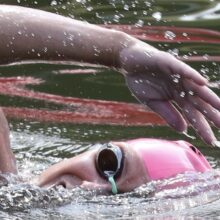
This November, Anne Whalen McLindon will travel to Cozumel and subject herself to the most grueling possible test of strength and will. At the 2026 IRONMAN competition, she’ll begin in the clear waters of the Cozumel Channel with a 2.4-mile swim. Most triathletes feel comfortable with the 112-mile bike ride and 26.2-mile run in this world-class race, but they dread the swimming. For Anne, however, swimming is her passion, and open water is her happy place.
But Anne has spent a significant portion of the last few years struggling with dermatomyositis, the amyopathic kind that affects only the skin. In her case, it had catastrophic effects, causing tremendous pain whenever even a tiny ray of sun or artificial light hit her body. Even being able to train in the open air has been a victory for Anne.
In early 2020, she was preparing for the biggest swim of her life: the Three Rivers Marathon Swim, an 18‑mile ultramarathon contest in the rivers of Pittsburgh. For those of us accustomed to laps in a pool, Anne’s sport is quite different. Swimming in open water means everything from weather to wildlife is unpredictable. To stay in condition, she continued training even after the pandemic closed the world down. As she approached the October event, she felt fit and confident.
Then, in July, after a long training swim, she noticed small, red patches on her arms and hips, a sign she chalked up to some kind of minor irritation. Within a month, though, the rash spread across her body from her scalp to her knees. The pain was excruciating, becoming worse with any exposure to natural or even artificial light.
Frustrated, and worried that she would never swim again, she went to see her PCP. After referrals to multiple doctors with no definite diagnosis, her doctor sent Anne to his dermatologist. Thankfully, it was this dermatologist who recognized the pattern immediately.
“I was lucky,” Anne said. “He had another patient with the same disease.” She was grateful for his skill and kindness, and also grateful for the friendship she quickly formed with that other patient, a woman named Lisa, who was also an athlete.
Anne wasn’t so lucky in her treatment journey, however. The diagnosis helped but did not bring relief. Any kind of light became unbearable. She bought blackout curtains, SPF‑50 clothing, gloves for driving, and spent much of her time in darkened rooms while her daughters attended pandemic school online. She had no muscle weakness, but the skin pain was overwhelming. At the recommendation and support of her friend Lisa and her doctors, she was able to get an appointment at the Johns Hopkins Myositis Center.
Anne tried every possible treatment. Prednisone provided a little comfort but had harsh side effects. Hydroxychloroquine brought a severe secondary rash. Cellcept caused intolerable heartburn. And methotrexate required constant bloodwork. She pursued acupuncture, multiple three‑day fasts, prayer, and sheer endurance. Nothing worked. Her doctors believed IVIG would help Anne, but her insurance denied it.
Anne said she was sinking into despair. She remembers sobbing quietly in the bathroom so her daughters wouldn’t hear her.
“I don’t like to show pain,” she said, no surprise from the woman who pushes herself to superhuman lengths, “but my daughter came in and said, “Oh, mom, you need a hug.”
She also had a tight group of friends who checked on her regularly, refusing to let her disappear into her world of pain. To avoid losing all conditioning, she ran when it was raining or at night, taking care to avoid streetlights.
Finally, after an appeal to her insurance company by Johns Hopkins, she began IVIG infusions, almost one year after her symptoms began. Within a week, the rash and pain disappeared. It was, in her words, “as if the past year had been a bad dream.”

Her body healed, and her determination returned. She rebuilt her life, regained her strength, and resumed training. Although cautious, her doctors said they could live with her returning to her original goal. So in September 2022—two years after DM entered her life—Anne completed the full 18‑mile swim in Pittsburgh.
Covered with zinc oxide cream to limit sun exposure to her skin and enduring eleven hours and three minutes in the water, Anne said her feelings of gratitude were overwhelming: for her doctors, her daughters, her friends, her treatment, and the healing power of her own strong body.
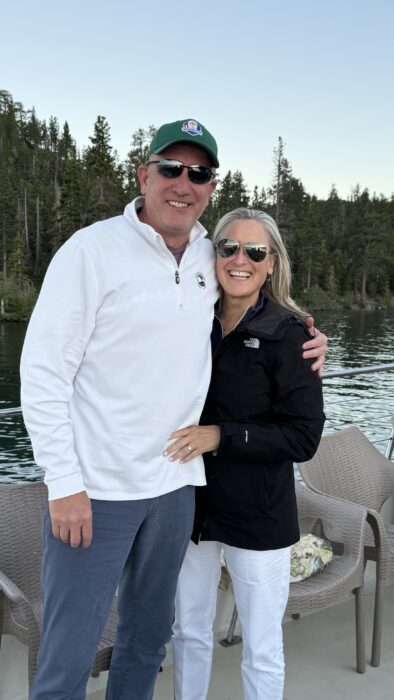
The experience deepened her commitment to helping others. People had helped her find specialty care, so now she offers support to anyone she can. She slowly tapered off IVIG with no ill effects, moved to Ohio, and in May she married the man who supports her athletic goals: “He’s the guy in the boat, beside me through it all,” she said.
Although her good health now makes it seem as if those years never happened, there were some internal changes that will last forever. Anne’s struggle taught her ways to deal with stress, protect her health, and appreciate the friends and family who checked on her daily during her darkest hours. She counsels other people with chronic disease to be fierce advocates for themselves and to surround themselves with doctors and friends who offer support.
Anne, who was a litigation attorney, became an open water swim coach who trains athletes in more than 60 countries, working with newly-established open water swimming programs and Special Olympics athletes, as she keeps up her own training.


